

Fitbod is an algorithmic workout planner that customizes resistance training routines, calculates progressive overload, and tracks muscle recovery based on available equipment.
Starting price Free trial / $8.00/mo

Tool Information
Fitbod overview and algorithmic architecture
Fitbod operates as a specialized resistance training planner designed to eliminate guesswork from strength conditioning, bodybuilding, and general gym workouts. Unlike generic fitness platforms that recycle static PDF workout splits, Fitbod utilizes a proprietary mathematical algorithm to calculate exercise selection, volume, working weights, and set counts dynamically. The engine tracks logged workout performance over time, modeling individual fatigue, historical one-rep max (1RM) capabilities, and physiological recovery states across sixteen primary muscle groups.
The core architecture operates on the principle of non-linear periodization and progressive overload. When a lifter completes a session, the algorithm logs total tonnage, rep cadence, and rated perceived exertion. It then applies recovery decay models to predict when specific muscle groups will return to baseline readiness. For the next session, Fitbod evaluates available equipment profiles, selected fitness goals (such as muscle hypertrophy, raw strength, or muscular endurance), and current muscle recovery percentages to generate a fresh, balanced routine that prevents overtraining while steadily pushing strength thresholds.
Key capabilities and workout generation modules
Fitbod structures its functionality around four core training modules:
- Dynamic routine generation: Builds personalized workouts before every gym session. The system selects primary compound lifts alongside targeted isolation exercises, computing optimal set, rep, and weight targets derived from recent workout logs.
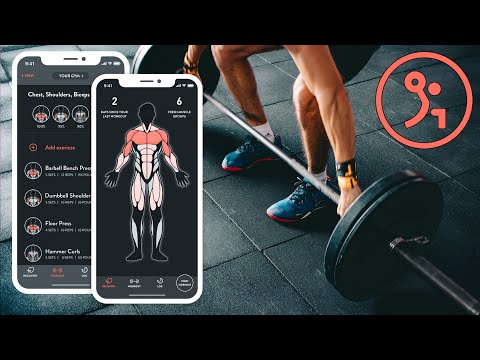
- Muscle recovery heatmap: Visualizes physical readiness across sixteen major muscle groups on an anatomical diagram. Percentages update in real time as hours elapse post-workout, allowing lifters to identify recovered muscle groups ready for high-intensity stimulation.
- Custom equipment and gym profiling: Enables lifters to configure multiple equipment presets, such as commercial gyms, basic home garage setups with dumbbells, or travel settings restricted to bodyweight movements. The algorithm filters exercises instantly to match available gear.
- Wearable integration and health sync: Connects with Apple Health, Google Health Connect, Apple Watch, Strava, and Fitbit. The app logs active workout duration, estimated caloric burn, and heart rate metrics while factoring external cardio sessions into muscular recovery equations.
Benchmark comparison: Fitbod vs. industry rivals
Fitness enthusiasts frequently choose between automated algorithmic planners, minimalist barbell trackers, and bodyweight conditioning coaches. The following table contrasts Fitbod against two established competitors across primary training criteria:
Practical use cases and target audiences
Fitbod adapts across diverse athletic settings and training backgrounds:
- Independent gym-goers: Lifters who train in commercial gyms without personal trainers use the app to avoid wandering between machines, following structured, automatically generated workout orders.
- Home gym enthusiasts: Users with limited home equipment (such as adjustable dumbbells and an adjustable bench) configure their exact inventory so routines exclusively recommend exercises possible in their space.
- Athletes managing training plateaus: Experienced lifters utilize the progressive overload recommendations to systematically increase micro-loads and rep targets, preventing training stagnation.
- Busy professionals: Individuals with fluctuating weekly schedules set duration caps (from 30 to 90 minutes) per session, enabling the engine to condense volume without skipping core muscle stimuli.
Equipment profiles, recovery tracking, and system limits
While Fitbod provides broad exercise coverage, lifters must note operational characteristics and hardware parameters:
- Platform requirements: Native mobile applications exist for iOS (supporting Apple Watch standalone tracking) and Android. Web interfaces provide account and billing management, but live workout logging is designed around mobile interfaces.
- Equipment configuration limits: Users can create multiple distinct gym profiles (such as Commercial Gym, Home Setup, and Hotel Travel) with custom dumbbell increments, barbell styles, and cable attachments.
- Algorithm calibration period: The initial three to five workouts serve as a baseline calibration period. Lifters may need to adjust suggested weights manually until the algorithm accurately maps current strength capacities.
- HSA and FSA qualification: In qualified jurisdictions, Fitbod memberships are eligible for reimbursement under Health Savings Accounts (HSA) and Flexible Spending Accounts (FSA) with a standard Letter of Medical Necessity.
Pricing plans and subscription terms
Fitbod provides a brief free trial allowing lifters to complete three full workouts with automated recommendations. Continued usage requires an active subscription, available in monthly, discounted annual, or multi-user family packages:
*Pricing and plan details verified as of September 2026.
Step-by-step workflow and onboarding
Implementing Fitbod into a regular strength training regimen follows four straightforward steps:
- Profile and equipment setup: Download the mobile application, set primary fitness goals (bodybuilding, general fitness, or powerlifting), and check off all available gym gear in the equipment manager.
- Workout generation and review: Open the app prior to entering the gym to review the generated routine. Swap out specific exercises if a machine is occupied or adjust targeted muscle groups if desired.
- Live logging and set tracking: Follow indicated warmup sets, working weights, and rep counts. Log completed sets in real time, utilizing built-in rest timers between sets.
- Recovery monitoring and progression analysis: After concluding the session, view updated muscle fatigue percentages on the recovery tab and review updated estimated 1RM personal records.
Structured editorial verdict
- Best for: Intermediate lifters, home gym owners, and commercial gym members seeking automated, science-backed workout programming that adapts dynamically to fatigue and available equipment.
- Not recommended for: Competitive powerlifters who must adhere to rigid peaking programs like Sheiko or Smolov, or individuals seeking real-time human personal coaching and nutritional counseling.
- Learning curve: Low to moderate. The interface is intuitive, though lifters need a few sessions to familiarize themselves with exercise swapping and weight adjustment tools.
- Value threshold and ROI: Excellent. At $8.00 per month on annual billing, Fitbod provides comprehensive progressive programming for a fraction of the cost of a single personal training session.
- Bottom line: Fitbod stands out as one of the most practical applications of machine learning in personal fitness, successfully replacing static workout spreadsheets with intelligent, adaptive strength routines.
F.A.Q
Pros and Cons
Pros
- Dynamic routine generator calculates working weights, sets, and reps tailored to recovery
- Visual muscle recovery heatmap tracks physical readiness across sixteen primary muscle groups
- Custom gym profiles adapt routines instantly to full gyms, garage setups, or bodyweight only
- Progressive overload algorithms systematically advance strength without overtraining risk
- Seamless integrations with Apple Health, Google Health Connect, Strava, and Apple Watch
- HSA and FSA eligible expense under qualifying health benefit plans with medical necessity
Cons
- Requires a few calibration workouts before algorithm weight suggestions become fully accurate
- Web platform is limited to account settings and billing rather than active workout logging
- Advanced powerlifters requiring rigid percentage peaking templates may need manual adjustments
Reviews
There are no reviews yet. Be the first one to write one.
How to Use Fitbod App Quick Guide
Author

Promote

Alternative tools

RAADS-R Test is a free browser-based self-assessment resource for adults exploring autistic traits, offering the complete 80-question inventory with immediate domain breakdowns and private results.
2026-10-12
Free

Freeletics is an AI-powered fitness app providing adaptive bodyweight HIIT routines, calisthenics journeys, and nutrition coaching tailored to individual performance.
2026-09-23
Freemium / $8.00/mo

Be My Eyes is an assistive technology platform connecting blind and low-vision individuals with OpenAI-powered GPT-4 vision descriptions and a global network of sighted volunteers.
2026-09-17
Free

Wolfram|Alpha is a computational knowledge engine that calculates step-by-step mathematical solutions, scientific data, and curated facts across 100+ domains.
2026-08-22
Freemium / $5.00-$9.99/mo

ChatGPT by OpenAI is a conversational AI platform powered by GPT-5 and o-series reasoning models for writing, programming, data analysis, and voice interaction.
2026-08-22
Freemium / $8-$20

Seeing AI is an intelligent visual assistant mobile application developed by Microsoft that narrates everyday surroundings, documents, products, and text for blind and low-vision individuals.
2026-09-17
Free